.png)
How Inflation Affects Real Estate
- Ashley Hernandez

- Jul 15
- 3 min read

Inflation affects nearly every part of the economy—from groceries and fuel to construction materials and mortgage rates. The real estate market is no exception. Whether you're buying a home, selling a property, or investing in real estate, understanding how inflation influences housing can help you make better financial decisions.
What Is Inflation?
Inflation is the gradual increase in the prices of goods and services over time, which reduces the purchasing power of money. As inflation rises, consumers generally pay more for everyday expenses, and businesses often face higher operating costs.
Inflation also influences interest rates, borrowing costs, and the overall housing market.
How Inflation Impacts Home Prices
Inflation can contribute to rising home prices in several ways.
Higher Construction Costs
When inflation increases, the cost of building materials, labor, transportation, and land development often rises.
This can lead to:
Higher prices for newly built homes
Reduced new housing supply
Increased value of existing homes in some markets
As construction becomes more expensive, builders may pass those costs on to buyers.
Mortgage Interest Rates
Inflation often leads to higher mortgage interest rates as lenders and central banks respond to broader economic conditions.
Higher interest rates generally result in:
Increased monthly mortgage payments
Lower purchasing power
Reduced buyer demand
Slower home price growth in some markets
Lower inflation can have the opposite effect by improving borrowing affordability.
Real Estate as an Inflation Hedge
Many investors view real estate as a potential hedge against inflation because property values and rental income have historically tended to increase over the long term.
Potential advantages include:
Property appreciation over time
Rising rental income in strong markets
Long-term wealth building
Tangible asset ownership
However, real estate performance varies by location, property type, and economic conditions.
Rising Property Expenses
Inflation affects more than just home prices.
Homeowners may also experience higher costs for:
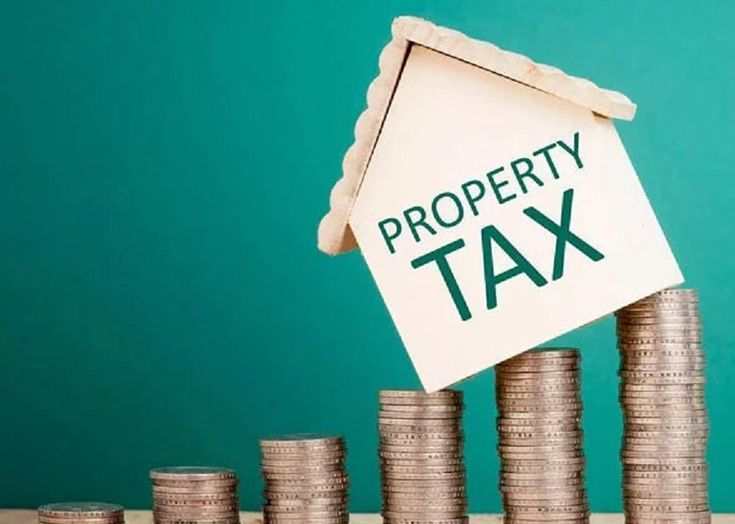
Property taxes
Homeowners insurance
Maintenance and repairs
Utilities
Landscaping
Home improvement projects
Planning for these ongoing expenses is an important part of responsible homeownership.
Impact on Homebuyers
For buyers, inflation may create both challenges and opportunities.
Challenges include:
Higher mortgage rates
Increased home prices
Greater monthly housing costs
Higher renovation expenses
Opportunities include:
Building long-term equity
Locking in a fixed-rate mortgage (if available)
Protecting against future rent increases
Purchasing a home that fits your budget remains an important financial strategy regardless of inflation levels.
Impact on Home Sellers
Inflation can also influence sellers.
In markets where housing inventory remains limited, sellers may continue to benefit from strong demand and higher prices.
However, if inflation leads to significantly higher borrowing costs, some buyers may delay purchasing, resulting in slower market activity.
Pricing your home appropriately remains essential in every market.
Tips for Navigating Inflation
Whether you're buying or selling, consider these strategies:
Set a realistic budget.
Monitor mortgage interest rates.
Maintain an emergency fund for unexpected expenses.
Focus on long-term financial goals rather than short-term market fluctuations.
Work with experienced real estate and financial professionals.
Preparation and flexibility can help you adapt to changing economic conditions.
Should You Wait to Buy?
Trying to perfectly time the market is difficult.
Instead, ask yourself:
Is your income stable?
Can you comfortably afford the monthly payment?
Do you plan to stay in the home for several years?
Does buying align with your long-term financial goals?
If the answer is yes, purchasing a home may still be a sound decision despite inflation.
Final Thoughts
Inflation influences nearly every aspect of the real estate market, from home prices and construction costs to mortgage rates and ongoing ownership expenses. While higher inflation can create affordability challenges, real estate has historically been viewed as a long-term asset that can help preserve wealth over time.
By understanding how inflation affects housing and planning carefully, buyers, sellers, and investors can make informed decisions that support their financial goals in changing economic conditions.

Comments