.png)
Reducing Utility Costs Through Smart Design
- Ashley Hernandez

- Jun 10
- 2 min read
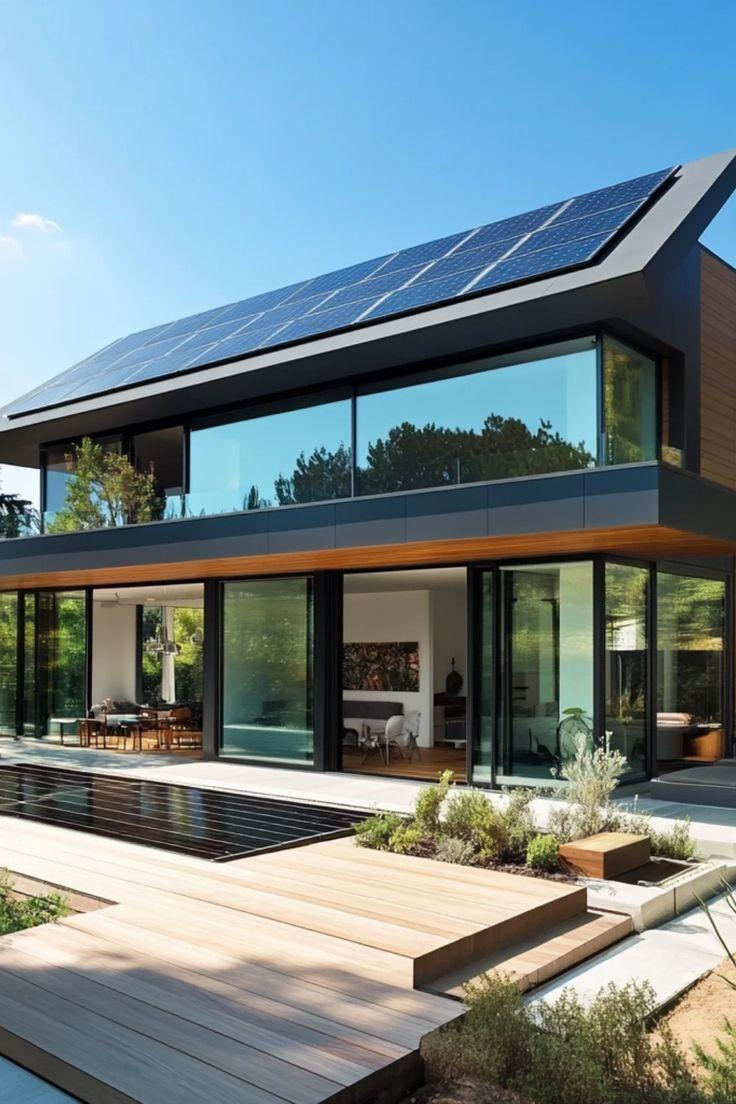
☀️ 1. Maximize Natural Light
Design rooms to take advantage of daylight.
Ideas:
Install larger windows in common areas
Add skylights where practical
Use light-colored walls and ceilings
Benefits:
Reduces dependence on artificial lighting
Creates brighter, more inviting spaces
🌬️ 2. Improve Natural Ventilation
Allow air to move freely throughout the house.
Strategies:
Position windows on opposite sides of rooms
Create open floor plans
Add vents in strategic locations
Benefits:
Reduces heating and cooling demands
Improves indoor air quality
🪟 3. Upgrade Windows and Insulation
Invest in features that minimize energy loss.
Examples:
Double or triple-pane windows
Weather stripping
Roof, wall, and attic insulation
Benefits:
More stable indoor temperatures
Lower energy bills
Related:
Low-E Energy Efficient Windows
Spray Foam Insulation
💡 4. Switch to LED Lighting
LED bulbs consume less energy and last much longer.
Benefits:
Reduced electricity use
Lower replacement costs
Less heat generation
Related: LED Light Bulbs
🌡️ 5. Install Smart Home Controls
Smart systems automatically optimize energy consumption.
Examples:
Smart thermostats
Motion sensors
Programmable lighting
Benefits:
Reduces unnecessary energy use
Improves convenience
Related: Smart Thermostat
🌳 6. Use Strategic Landscaping
Plants can naturally improve energy efficiency.
Examples:
Shade trees
Green walls
Windbreak shrubs
Benefits:
Reduces heat exposure
Improves outdoor comfort
🚿 7. Install Water-Saving Features
Examples:
Low-flow showerheads
Dual-flush toilets
Rainwater collection systems
Benefits:
Lower water consumption
Reduced utility costs
Related:
Low-Flow Showerheads
Rainwater Collection Barrel
📊 Smart Design Priorities
Area | Smart Upgrade |
Lighting | LED bulbs and natural daylight |
Heating & Cooling | Insulation and efficient windows |
Water | Efficient fixtures and rainwater systems |
Automation | Smart thermostats and sensors |
Landscaping | Shade trees and native plants |
Smart design focuses on reducing waste, improving comfort, and lowering utility expenses over the long term.

Comments